Safety in the Balkans: The Honest Guide for Albanian, Croatian, and American Travelers
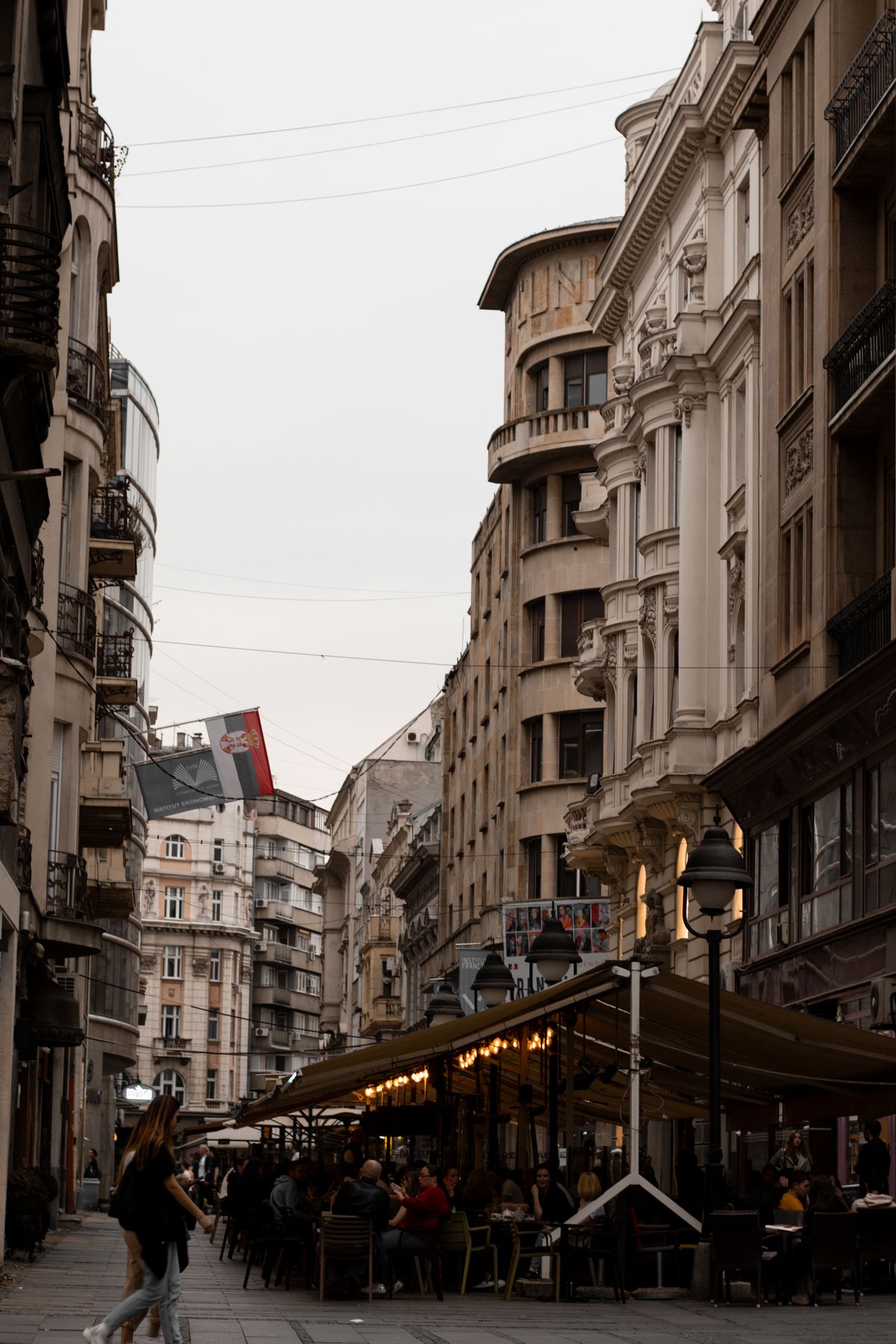
When planning a trip to Serbia, many travelers—particularly those from the US, Croatia, or with Kosovar/Albanian heritage—encounter alarming advice from relatives warning them about regional tensions. It is common to read forum posts asking if tourists will face aggression based on their nationality. The reality on the ground in Belgrade and across the country is vastly different from political headlines. Here is a practical, politically neutral safety guide based on everyday reality.
The Baseline: One of Europe's Safest Capitals
Setting politics aside, Belgrade is statistically and practically one of the safest cities in Europe. Violent crime against tourists is virtually non-existent, and the streets are safe to walk late at night. The local culture heavily prioritizes hospitality, and foreigners are generally treated with immense curiosity and warmth, regardless of where their passport was issued.
The "Unspoken" Rules for Regional Neighbors
For travelers with Albanian or Kosovar heritage, the primary concern is usually unprovoked hostility. In everyday interactions—at cafes, hotels, or on public transit—you will not face issues. The golden rule provided by locals is simple: as long as you are not waving an Albanian flag, wearing politically provocative clothing, or actively starting political debates in local kafanas, you will be completely fine. The average Serbian citizen is focused on their daily life, not on harassing tourists over regional history.
Practical Safety Guidelines
Keep these simple rules in mind to ensure a completely frictionless trip:
- Avoid Political Debates: Do not try to debate the 1990s or the status of Kosovo with taxi drivers or people you just met at a bar.
- Sports Rivalries: The only time you might encounter genuine aggressive energy is during local football derbies (Partizan vs. Red Star). Avoid the stadium areas on match days if you are not prepared for intense crowds.
- Language: Speaking English is perfectly fine and widely understood, especially in Belgrade and Novi Sad.
What to Watch Out For Instead
Your real risk in Belgrade is not political—it is getting caught up in a chaotic bus station without cash or paying too much for transit.
Read: Surviving BAS: The Belgrade Bus Station Cash Trap →